
How Much to Tint Car Windows? 2026 Price Guide
How much does it cost to tint car windows? The answer depends on the film type, vehicle size, and number of windows being tinted. Based on typical 2026 U.S. installer pricing, dyed film costs $150–$300, carbon $250–$500, and ceramic $400–$800+ for a standard sedan. This guide explains average pricing, cost factors, and Michigan tint laws.
Key Takeaways
- Dyed window tint on a standard 4-door sedan typically costs $150 to $300 in the United States.
- Ceramic window tint on a standard 4-door sedan typically costs $400 to $650 and lasts about 10 to 15 years.
- SUVs and trucks typically cost 20% to 35% more because they have larger glass areas and 7 or 8 windows.
- Michigan law, including MCL § 257.709, restricts aftermarket tint on the windshield and front side windows.
- Premium ceramic films can block up to 99% of UV rays, while infrared heat rejection varies by manufacturer and product.
What Determines the Cost to Tint Car Windows?
The cost to tint car windows is primarily determined by the film type, vehicle size, the number of windows being tinted, warranty coverage, and installer expertise.
Five variables drive the price of a window tint job: film type, vehicle size, number of windows tinted, film warranty length, and installer skill level.
Film type is the largest single cost driver. Dyed films use a single pigmented layer and sit at the low end. Carbon films add carbon particles for better heat rejection and fade resistance. Ceramic films embed nano-ceramic particles that reject infrared heat while typically not interfering with radio, GPS, or cellular signals. Premium ceramic films generally cost more than dyed and carbon films because they use more advanced materials and manufacturing processes.
Vehicle size sets the labor floor. A 2-door coupe carries 5 windows and takes 1.5 to 2 hours; a full-size SUV carries 7 or 8 windows plus a larger, more curved rear glass and takes 3 to 4 hours. Larger rear glass is also harder to shape without seams, which raises the skill premium. The chosen VLT percentage also affects material cost on premium ceramic lines, so buyers comparing quotes should review a window tint percentage guide before finalizing the darkness level.
Warranty length also affects value because many premium ceramic and carbon films are available with limited lifetime manufacturer warranties against bubbling, peeling, delamination, and discoloration when installed by an authorized dealer. Warranty terms vary by manufacturer, so buyers should review the warranty conditions before purchasing.
Average Cost to Tint Car Windows by Film Type
The type of window film has the greatest impact on the total installation cost, with dyed film offering the lowest upfront price and premium ceramic costing the most.
The typical 2026 US market range for a full-vehicle tint on a standard sedan is $150 to $900, depending on the film type.
| Film Type | Sedan (5 windows) | SUV or Truck (7 windows) | Typical Lifespan |
|---|---|---|---|
| Dyed | $150 to $300 | $200 to $400 | 3 to 5 years |
| Carbon | $250 to $500 | $350 to $650 | 7 to 10 years |
| Ceramic (entry) | $400 to $650 | $500 to $800 | 10 to 12 years |
| Ceramic (premium nano-ceramic) | $650 to $900 | $800 to $1,200+ | 10 to 15 years |
These ranges are based on typical pricing from professional U.S. window tint installers in 2026. Actual pricing varies by vehicle size, film brand, warranty coverage, installer experience, vehicle complexity, and regional labor rates.
Cost to Tint Car Windows by Vehicle Size
Larger vehicles generally require more film and installation time, which often increases total pricing by approximately 20% to 40% compared with a standard sedan.
- Coupe (2 doors, 5 windows total): Shortest installation time and lowest cost. Expect pricing to be about 10% to 15% lower than a comparable sedan.
- Sedan (4 doors, 5 windows total): The industry benchmark used for most published window tint pricing.
- Small SUV or crossover (7 windows): Typically costs 15% to 20% more because of the additional rear side and quarter windows.
- Full-size SUV or truck (7 or 8 windows): Typically costs 25% to 35% more because of the larger rear glass and increased installation time.
- Minivan or 3-row SUV: Usually represents the highest-priced installation, often costing 30% to 40% more than a standard sedan.
Windshield tint is typically priced separately because it uses a different film size and installation process. In many states, including Michigan, aftermarket windshield tint is generally limited to a visor strip, subject to applicable state regulations.
How Michigan Tint Law Affects Pricing
Michigan tint laws affect pricing by determining which windows can legally receive aftermarket film and whether existing tint must be removed before installation.
Michigan Vehicle Code §257.709 restricts where aftermarket tint may be applied, which changes what a legal installation typically includes for drivers in Howard City and throughout Michigan.
Under Michigan Vehicle Code §257.709, aftermarket tint is generally permitted on the rear side windows and rear window. A non-reflective visor strip is allowed along the top of the windshield. Aftermarket tint on the front side windows is generally prohibited unless an applicable exemption applies, such as certain medical exemptions. Because Michigan's tint laws differ from those of many neighboring states, drivers who purchase a used vehicle from another state should verify that the existing tint complies with Michigan law before driving the vehicle.
For pricing, many Michigan shops offer separate quotes for rear-window packages, front-window film removal, and windshield services to help customers choose a package that complies with state law. If a vehicle already has non-compliant tint, removal charges may be added to the installation estimate because removing old film requires additional labor.
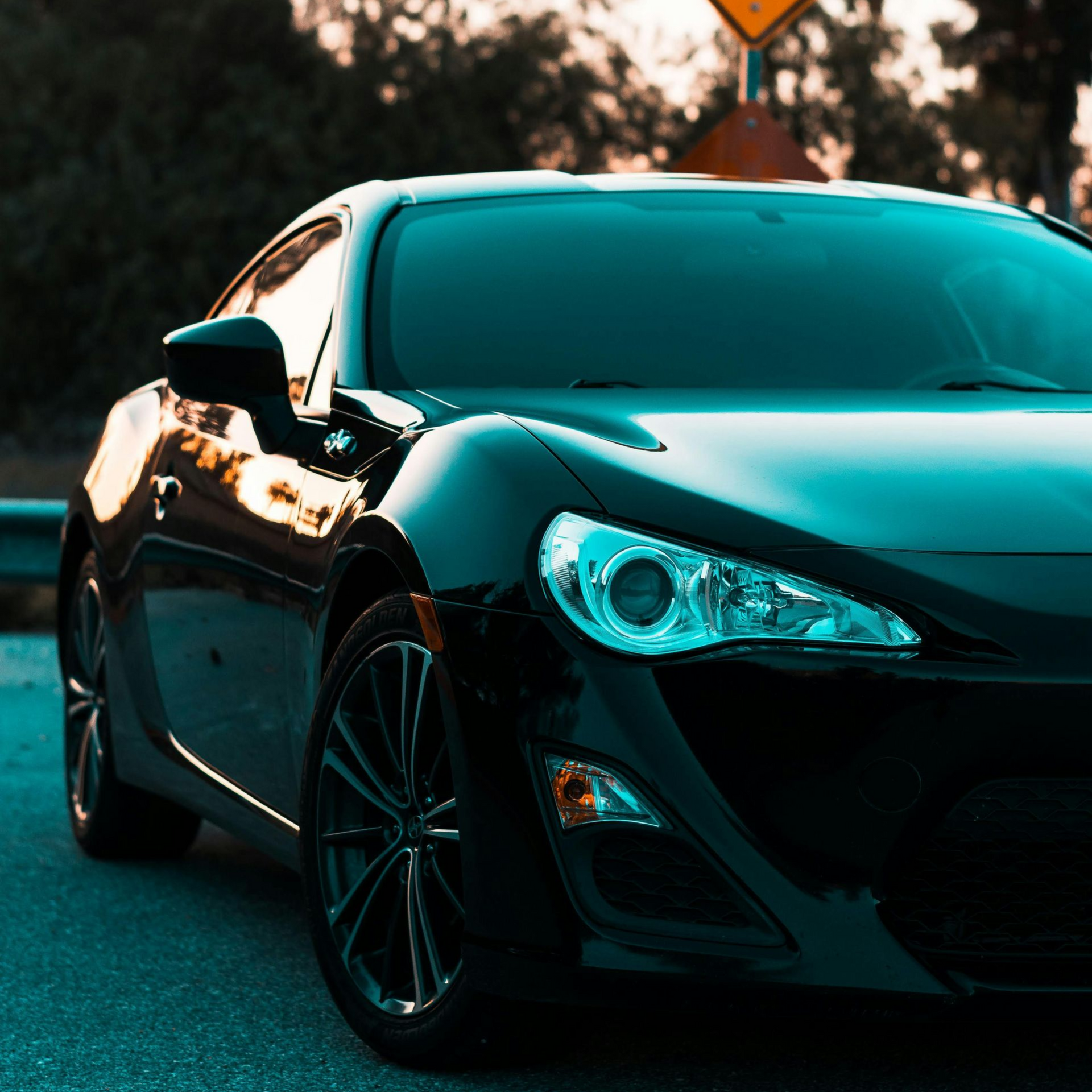
Ceramic vs. Carbon vs. Dyed: Is the Upgrade Worth It?
The best window tint depends on your budget, driving habits, and how long you plan to keep your vehicle. Dyed film offers the lowest upfront cost, carbon provides a balance between price and performance, and ceramic delivers the highest heat rejection and longest expected lifespan.
- Dyed film is typically the most affordable option for drivers looking to improve appearance and reduce glare. However, it generally has a shorter lifespan and lower heat rejection than carbon and ceramic films.
- Carbon film offers better fade resistance and heat rejection than dyed film while remaining more affordable than ceramic. It is often a practical choice for drivers who want improved performance without paying the premium price of ceramic film.
- Ceramic film generally provides higher infrared heat rejection, UV protection, and long-term durability than dyed and carbon films, although actual performance varies by manufacturer and product line. Many premium ceramic products can block up to 99% of UV rays and provide high infrared heat rejection, depending on the manufacturer and product specifications. Ceramic films also typically do not interfere with GPS, cellular, Bluetooth, or radio signals.
For vehicles expected to remain in service for five years or longer, ceramic film may offer greater long-term value due to its durability, warranty coverage, and performance. Carbon film may be a cost-effective alternative for leased vehicles or shorter ownership periods.
Expert Insight
"The lowest installation price is not always the lowest long-term cost. Film durability, warranty coverage, and performance over time are often more important than the initial price when comparing window tint options." - ACT Customs Team
Compare Your Window Tint Options
Choosing the right window tint depends on your budget, vehicle type, driving habits, and long-term expectations. Comparing film performance, warranty coverage, and total ownership cost often provides a better basis for decision-making than installation price alone.
If you are comparing options for a professional window tint service in Howard City, ACT Customs can review 2 to 3 photos of your vehicle and recommend a suitable film based on your vehicle type, budget, and Michigan tint regulations. A personalized estimate allows you to compare your vehicle with the national pricing ranges in this guide before deciding which window tint option best fits your needs.
FAQs
How much does it cost to tint all the windows on a car?
A full-vehicle window tint installation typically costs $150 to $300 for dyed film, $250 to $500 for carbon film, and $400 to $800 or more for ceramic film on a standard sedan. SUVs and trucks generally cost 20% to 35% more because they require additional materials and labor. Premium ceramic installations on larger vehicles may exceed $1,000.
How long does window tint last?
Dyed window tint typically lasts 3 to 5 years, carbon film 7 to 10 years, and ceramic film approximately 10 to 15 years when properly installed and maintained. Actual lifespan depends on the film quality, installation quality, local climate, and manufacturer warranty.
Is ceramic window tint worth the extra cost?
Ceramic window tint may be worth the additional cost for drivers who plan to keep their vehicles long term or want better heat rejection and UV protection. Many premium ceramic films are rated to block up to 99% of ultraviolet (UV) rays, although infrared heat rejection varies by manufacturer and product specifications. Ceramic films also typically do not interfere with GPS, Bluetooth, cellular, or radio signals.
How much can I tint my car windows in Michigan?
In Michigan, aftermarket tint is generally restricted on the windshield and front side windows. A non-reflective visor strip is generally permitted along the top of the windshield, while aftermarket tint is typically allowed on the rear side windows and rear window. Medical exemptions may apply in certain cases. Because state regulations may change over time, drivers should verify the current Michigan tint laws before installation.
Does window tint void the vehicle warranty?
Window tint does not automatically void a vehicle manufacturer's warranty when installed correctly. Under the Magnuson-Moss Warranty Act, manufacturers generally cannot deny warranty coverage unless an aftermarket product directly caused the failure. Film manufacturer warranties may have separate installation requirements and coverage conditions.
About ACT Customs
ACT Customs specializes in professional automotive window tinting, serving Howard City and surrounding West Michigan communities. The team installs high-quality dyed, carbon, and ceramic window films that enhance UV protection, heat rejection, glare reduction, and vehicle appearance. ACT Customs also offers ceramic coating, paint protection film (PPF), auto detailing, and other vehicle protection services.
Last Updated: July 2026